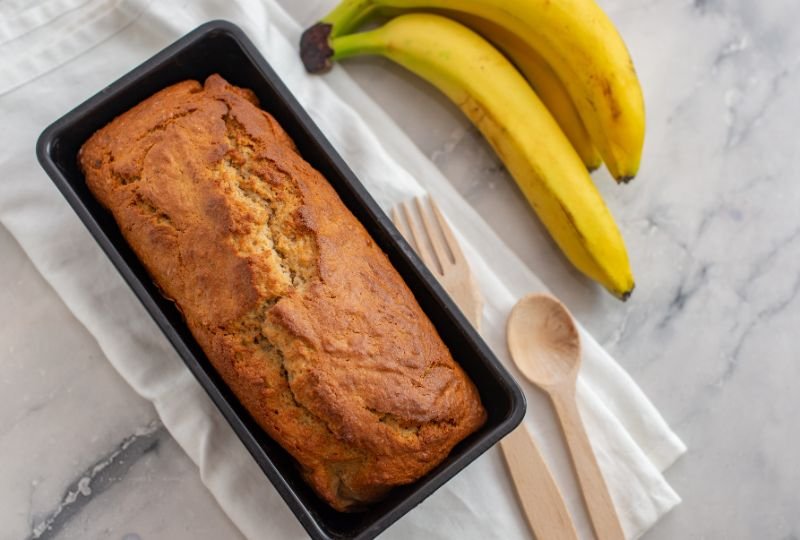
Why do bananas release more fructose as they ripen for banana bread?


Why do bananas release more fructose as they ripen for banana bread?
Introduction
Have you ever wondered why bananas release more fructose as they ripen? Or why ripe bananas are often recommended for making banana bread? If so, then this article is for you. Here, we will unravel the science behind the ripening process of bananas, explaining why they release more fructose the riper they get, and why this makes them perfect for baking. So whether you’re curious, a novice baker or even a seasoned pro, read on to learn more about this fascinating phenomenon.
The Ripening Process of Bananas
Bananas undergo a unique ripening process. From the moment they are harvested, they are already in a race against time. As bananas ripen, the starches within them are converted into sugars, such as sucrose, glucose, and fructose. The conversion process is triggered by the hormone ethylene, which is naturally produced by the bananas themselves.
This gradual transformation from starch to sugar is what causes bananas to sweeten over time, and this sweetness is predominantly due to the increased release of fructose.
Understanding Fructose
Fructose is a naturally occurring sugar found in many fruits and vegetables. It’s also the sweetest of all natural sugars, which is why fruits containing higher levels of fructose, like bananas, can taste sweeter than others.
Role of Fructose in Ripe Bananas
As bananas ripen and release more fructose, their flavor profile changes, becoming increasingly sweet. This sweetness intensifies the banana flavor – a quality highly desired in banana bread, smoothies, and other banana-based dishes. The high fructose content in ripe bananas also lends them a mushier and moister texture, making them easier to mash and mix in recipes.
Ripe Bananas for Banana Bread
The beauty of banana bread lies in its simplicity and flexibility. However, what turns a good banana bread into a fantastic one often comes down to the ripeness of the bananas. As we’ve learned, ripe bananas produce more fructose, which offers a sweeter and stronger banana taste and a softer, wetter texture. These characteristics make ripe bananas ideal for baking banana bread.
Here’s why:
- More Flavour: Riper bananas can significantly amplify the flavor. Since the fructose content increases as the banana ripens, using overripe bananas in your banana bread will give it a more robust and richer banana taste.
- Moisture: Overripe bananas have a high moisture content, which can help keep banana bread moist for longer, and prevent it from drying out quickly.
- Easy to mash: Overripe bananas are easier to mash, leading to a smoother batter and a better texture in your banana bread. Plus, they blend better with other ingredients.
Knowing When Bananas are Perfectly Ripe
How can you tell when a banana is ripe enough for making banana bread? The first clue is the color. Perfectly ripe bananas for banana bread are typically yellow with many brown spots, or even almost entirely brown. The more brown spots, the sweeter the banana will be. They should also be slightly soft to the touch, but not mushy.
Wrapping Up
The science behind why bananas release more fructose as they ripen is fascinating, and understanding it can certainly elevate your banana bread baking game. By using ripe bananas, you can harness the greater sweetness and moisture provided by the increased fructose content, to bake an irresistibly moist, sweet and flavourful banana bread. So next time, don’t toss those overripe bananas. Instead, turn them into a delicious banana bread that’s sure to impress.

Learn More
Conclusão:
In Conclusion
It can be concluded that the ripening process of bananas induces a breakdown of their starch content into simpler sugars, including fructose, which leads to the fruit becoming sweeter over time. This is nature’s way of making the fruit more appealing to animals, aiding in its distribution and propagation. For banana bread, utilizing riper bananas can yield a sweeter, more robust finished product. Baking can further caramelize the naturally produced fructose, leading to an enhanced, richer flavor profile. Understanding these natural processes can help us make better use of our ingredients and yield delicious results.
FAQ:
Frequently Asked Questions
1. Why does a banana become sweeter as it ripens?
When bananas ripen, their starch breaks down into simple sugars such as fructose, increasing their sweetness.
2. What role does fructose play in banana bread?
A higher fructose content in bananas leads to a sweeter banana bread as the fructose caramelizes during baking.
3. Can I use unripe bananas for banana bread?
You can use unripe bananas, but the bread may lack the sweet, rich taste that ripe bananas offer.
4. How can I accelerate the ripening process of bananas?
Storing bananas in a brown paper bag can speed up the ripening process.
5. Does the amount of fructose in bananas change with ripening?
Yes, as the banana ripens, it produces more fructose.
6. How can I tell if a banana is ripe enough for banana bread?
If the skin of the banana has turned brown and the fruit is slightly soft to the touch, it is ripe enough for use in banana bread.
7. Do overripe bananas contain more fructose?
Yes, overripe bananas contain more fructose, which can contribute to a sweeter and more flavorful banana bread.
Why do bananas release more fructose as they ripen for banana bread?