
Why was banana bread so closely tied to the availability of baking soda in the 20th century?

Why was banana bread so closely tied to the availability of baking soda in the 20th century?
Why was Banana Bread so closely tied to the availability of Baking Soda in the 20th Century?
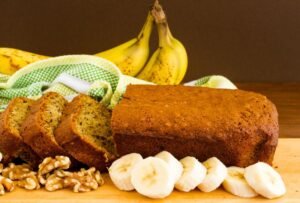
The mesmerizing aroma of freshly baked banana bread wafting through the air is a nostalgic and comforting scent for many. But have you ever wondered how banana bread came to be a popular household staple? The answer lies in the rise of baking soda in the 20th century. This article delves into the deep-rooted relationship between banana bread and baking soda, and how the availability of baking soda in the 20th century forged this iconic culinary pairing.
The Hidden History of Baking Soda
Baking soda, scientifically known as sodium bicarbonate, is a key ingredient in baking, thanks to its leavening properties. The 20th century saw a rise in the availability of this vital ingredient, thanks to advancements in chemical manufacturing, and this directly impacted the popularity of banana bread.
The story of baking soda dates back to the 19th century when Dr. Austin Church and John Dwight started manufacturing and selling the compound. However, it was during the 20th century that baking soda became widely available, thanks to companies like Arm & Hammer.
So, Why Banana Bread?
As baking soda became increasingly available, so too did its culinary uses. Households began to experiment more with baking, and banana bread emerged as a popular recipe. The moist, delectable loaf was easy to make and delicious to eat, making it an instant favorite.
The combination of bananas and baking soda created a perfect balance. The acidity of the bananas activated the baking soda, leading to a well-leavened, fluffy loaf. The addition of overripe bananas, which would have otherwise been thrown away, made the bread moist and flavorful. It was a win-win situation as it not only made good use of wasted food but also produced a yummy treat.
The Great Depression and Banana Bread’s Popularity
The Great Depression, which lasted from 1929 to 1939, further fueled the popularity of banana bread. During these hard times, households looked for economical recipes, and banana bread fitted perfectly.
Utilizing overripe bananas with the readily available baking soda was budget-friendly and minimized waste. Plus, companies were publishing banana bread recipes in their baking soda and flour packets, further powering its popularity.
The Legacy Continues
Today, banana bread is seen as a symbol of home comfort and has claimed its place in the kitchens worldwide. The tie between banana bread and baking soda in the 20th century is a colorful culinary tale of innovation, frugality, and leveraging what’s available.
The Role of Baking Soda in Banana Bread
Understanding the science of baking soda can shed more light on its pivotal role. Baking soda acts as a leavening agent, causing dough to rise while baking. When mixed with an acidic ingredient, like bananas, a chemical reaction occurs that produces carbon dioxide gas bubbles, allowing the dough to rise and giving the bread its distinctive texture.
Minus baking soda, banana bread would be dense and heavy, so it’s easy to see why the popularization of this ingredient had such a profound impact.
Looking back, the 20th century was a turning point for baking, setting trends and practices that we still see today. The rise in availability of baking soda not only revolutionized home-baking but also created a much-loved classic – banana bread.
Conclusion
Just like the perfect loaf of banana bread, history is layered with fascinating stories, and the link between the availability of baking soda in the 20th century and the popularity of banana bread is certainly one of them. The next time you bite into a moist, fluffy slice of banana bread, remember this humble ingredient’s journey from the chemistry lab to the kitchen pantry.

Learn More
Conclusão:
Conclusion
The connection between banana bread and baking soda in the 20th century was primarily a result of evolving culinary practices and technology. The invention and production of baking soda provided an affordable and accessible leavening agent, thus facilitating the popularity of banana bread. In a time when reducing waste was crucial, overripe bananas found their use in this sweet, moist bread, which became a staple in American households. Today, banana bread remains a beloved comfort food, its popularity undiminished, signalling the enduring legacy of the humble baking soda. Purchasing baking soda is a step towards mastering such timeless recipes, and thus, baking soda deserves a permanent spot in your pantry.
FAQs
Why did baking soda become popular in the 20th century?
It was functional, affordable and easily accessible. It helped food to leaven and created a fluffier texture in baked goods.
What made banana bread so popular?
Its simplicity, affordability, and the desire to reduce food waste by using overripe bananas contributed to its popularity.
Does baking soda make banana bread fluffy?
Yes, baking soda plays a key role in making banana bread fluffy by reacting with the acidic ingredients and creating carbon dioxide bubbles..
What happens if you don’t use baking soda in banana bread?
Without baking soda, the banana bread may turn out dense and not as moist.
Can banana bread be made without baking soda?
Yes, but the texture and taste might be affected. Alternatives like baking powder can be used.
How does baking soda affect the colour of banana bread?
Baking soda creates an alkaline environment in dough, giving the banana bread a nice golden brown colour when baked.
Is baking soda a necessary ingredient for baking?
Yes, baking soda is a crucial ingredient as it helps dough to rise and brown, improving texture and colour of the baked product.
Why was banana bread so closely tied to the availability of baking soda in the 20th century?

Artigos relacionados

When you make purchases through the links available on our site, we may receive an affiliate commission at no additional cost to you.