
The Complete History of Banana Bread From Depression-Era Loaf to Global Classic
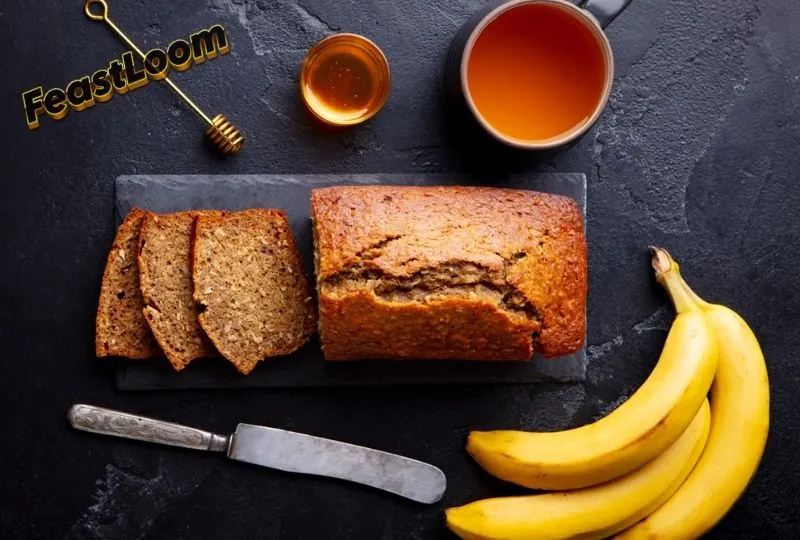
Discover the full history of banana bread 🍌 from its Depression-era origins to its viral fame. A deep dive into the loaf that became a global classic, banana bread history.
Throughout culinary history, few recipes have captured the hearts and ovens of home bakers quite like banana bread 🍌. What began as a humble solution to overripe bananas has evolved into a global comfort food, a cultural symbol of resilience, and one of the most baked recipes of the 20th and 21st centuries. But how did we get here? What events in history turned this sweet, moist loaf into such a beloved icon?
Banana bread isn’t just a recipe it’s a story. A story shaped by economic hardship, creative homemakers, and the rising popularity of bananas in Western households. From the kitchens of the Great Depression to the viral recipes of the COVID-19 pandemic, banana bread has emerged time and time again as a go-to solution for flavor, frugality, and feel-good nostalgia.
At Feastloom, we specialize in everything banana bread from tested recipes to deep historical dives like this one. We believe that knowing where a recipe comes from helps you bake it better, appreciate it more, and even make your own creative versions with intention. That’s why this article isn’t just a timeline it’s a complete journey through the origin, evolution, and global reach of banana bread.
You’ll discover how wartime rationing shaped early versions of the loaf, why women’s magazines played a vital role in spreading the recipe, and how banana bread became a zero-waste hero long before sustainability became a trend. We’ll explore its rise in English-speaking countries, its presence in pop culture, and how modern dietary shifts have birthed versions like vegan banana bread, gluten-free banana bread, and even banana bread protein bars.
So whether you’re a curious baker, a food historian, or just someone who loves the smell of bananas and cinnamon in the oven, this guide will give you the full picture. 🍞👉
Let’s travel back to the 1930s and find out how a simple bunch of spotted bananas changed the way the world bakes forever.
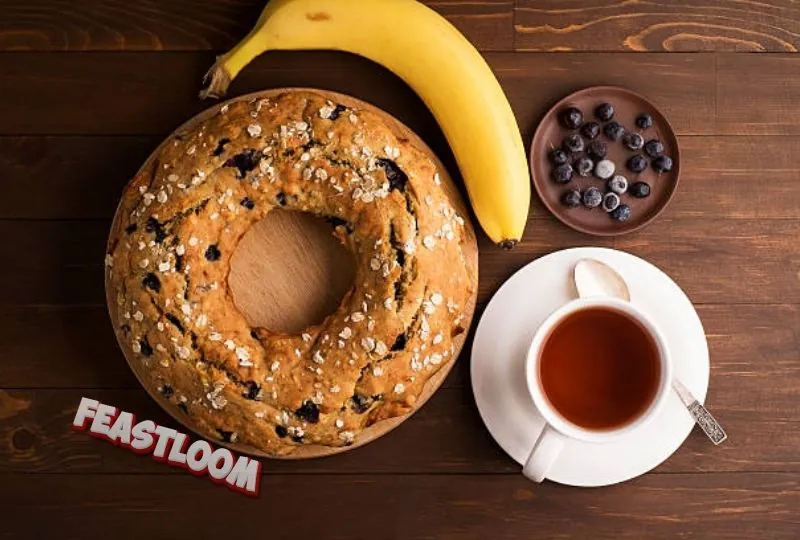
The Humble Beginnings of Banana Bread 🍞: A Recipe Born from Necessity
Banana bread’s story begins not in luxury but in necessity. This beloved loaf didn’t emerge from fine dining halls or gourmet kitchens, but from ordinary homes trying to make the most out of what they had. During the early 20th century, bananas were still considered a relatively new and exotic fruit in North America and Europe. They were shipped long distances, ripened quickly, and often went bad before they could be eaten. This led to one major problem for households: waste.
👉 But waste wasn’t an option in the 1930s.
The Great Depression era forced families across the United States to stretch every ingredient as far as it could go. Throwing away food—especially fruit—was seen as irresponsible. Overripe bananas were a common sight in pantries, too mushy for slicing into cereal, but too valuable to toss out. Home bakers began experimenting with these browning bananas, folding them into simple batters, and creating the earliest versions of what we now call banana bread.
At that time, quick breads were already popular because they didn’t require yeast, which was expensive or hard to find. The addition of baking soda and baking powder as leavening agents allowed for fast, easy, and fluffy results. The natural sweetness and moisture of mashed bananas made them an ideal ingredient—no sugar needed, or at least, not much.
📚 By the mid-1930s, early banana bread recipes began appearing in community cookbooks and homemaker pamphlets, often labeled as “banana cake” or “banana tea bread.” These recipes varied by region, but all shared a common theme: turning something nearly rotten into something delicious and comforting.
What made banana bread unique wasn’t just its taste—it was the story behind it. It was a symbol of resourcefulness, of domestic creativity, and of the unshakable will to bake even in hard times. The loaf represented more than food—it was a gesture of care, often shared with neighbors or brought to community gatherings, especially during tough economic conditions.
At Feastloom, we honor those early recipes by exploring their roots and keeping their legacy alive. 🍌 What started as a practical way to use up ripe bananas would soon become a cultural phenomenon, but its humble beginnings are where the heart of the recipe still lives.
The Great Depression 🍌 and the Rise of the Overripe Banana Loaf
The 1930s marked one of the most economically challenging times in American history. Yet, it was during this crisis that banana bread began to rise—literally and figuratively. 🍞 With families struggling to put food on the table, a shift in how people approached ingredients led to a new wave of innovation in home baking.
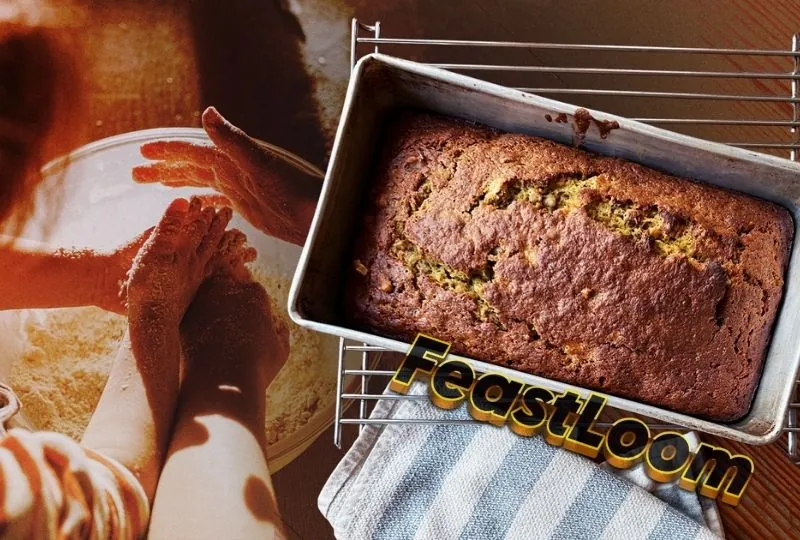
Making Every Ingredient Count During Hard Times
In an era of unemployment, rationing, and widespread poverty, home cooks had to be resourceful. Bananas, once considered a semi-luxury, were now widely imported and easily overripe—especially without proper refrigeration. Households were reluctant to throw them away. This created the perfect environment for a new kind of recipe: one that turned waste into warmth.
👉 Overripe bananas, often seen as garbage, became the star ingredient in an evolving food culture where nothing could go to waste.
The Quick Bread Movement and Leavening Innovations
Banana bread wasn’t born in isolation—it emerged alongside the quick bread revolution. As baking powder and baking soda became accessible in grocery stores, recipes that once required yeast (and long fermentation times) were now being adapted into faster, fluffier versions.
Quick breads required less time, fewer ingredients, and could be made in a single bowl—perfect for busy families with tight budgets. The moistness of bananas made them ideal for this style of bread, and their natural sweetness meant less sugar was needed, further reducing cost.
Cookbooks, Pamphlets, and the Sharing of Banana Bread Recipes
Homemakers, church groups, and food brands began compiling and distributing community cookbooks filled with banana bread recipes. It was often called “banana loaf,” “banana nut bread,” or even “banana cake.” These cookbooks didn’t just teach people how to bake—they created a sense of community, connection, and pride in the home kitchen.
This was also a time when advertising for flour, sugar, and baking powder became more common, and banana bread was used as a showcase recipe.
Conclusion: Banana Bread Was Born from Hardship—but Baked with Hope
The Great Depression may have been a time of scarcity, but it gave rise to one of the most enduring recipes in baking history. Banana bread became a symbol of resilience and creativity, allowing families to nourish themselves while wasting nothing. It wasn’t just about saving bananas—it was about making something beautiful and comforting out of hardship.
That loaf, baked in the simplest of pans, was more than food. It was an act of survival, love, and resourcefulness that still lives in every banana bread recipe baked today. 🍌❤️
How Wartime Rationing Transformed Banana Bread Ingredients 🪖🍞
As the world entered the turbulent years of World War II, the kitchen became both a place of comfort and a battlefield of adaptation. Food rationing hit homes hard, especially in the U.S., the U.K., and parts of Europe, pushing home bakers to find creative substitutions for scarce or expensive ingredients.
Banana bread, already a Depression-era staple, found a new role during the war—not just as a resourceful recipe, but as a symbol of how home baking could adapt and endure under pressure.
Sugar, Butter, and Eggs—The Rationed Essentials
During the war, sugar was among the first ingredients to be rationed. This forced bakers to use the natural sweetness of overripe bananas 🍌 to compensate. Many recipes from this era dramatically reduced sugar or replaced it with honey, molasses, or corn syrup, all of which contributed new flavor layers to the classic loaf.
Butter and eggs, too, were tightly limited. As a result, bakers leaned on shortening, margarine, or even applesauce and sour milk to replace traditional fats. In some regions, mashed bananas did double-duty—adding both moisture and structure to batter, reducing the need for eggs entirely.
👉 These limitations gave birth to many of the vegan or low-fat variations that still exist today.
Government Pamphlets and Victory Baking
Governments encouraged “Victory Baking” as part of the war effort. Pamphlets circulated with recipes designed to work within ration limits, and banana bread was a frequent feature. It became a morale booster—sweet enough to satisfy, yet simple enough to fit the times.
Community cookbooks compiled by women’s groups, churches, and wartime kitchens regularly showcased banana bread as a practical, patriotic dessert. In the U.K., even without steady banana imports, similar fruit-based loaves used mashed carrots or stewed apples to mimic the banana texture.
Wartime Banana Bread Around the World 🌍
While banana bread was becoming more common in the United States, other countries adapted the concept based on available resources.
In Australia and New Zealand, bakers used coconut oil and rice flour as substitutions.
In parts of Latin America, local bananas (like plantains) were mashed into dense, nutrient-rich breads.
In the Caribbean, spiced banana breads began to appear, influenced by local herbs and preserved ingredients.
This period sparked the beginning of banana bread globalization, where local creativity met wartime necessity.
Conclusion: Banana Bread Evolved Through Innovation and Scarcity
The war years transformed banana bread from a Depression-era trick into a resilient and adaptable staple. Wartime restrictions led to innovations that continue to influence modern banana bread—less sugar, alternative fats, creative flavor infusions.
Feastloom celebrates these roots by honoring the resourcefulness of those who kept baking through adversity. Banana bread wasn’t just food during wartime—it was comfort, morale, and unity wrapped in a loaf pan. 🍞🇺🇸🇬🇧
Banana Bread in Mid-Century America 🇺🇸: From Homemakers to Cookbooks
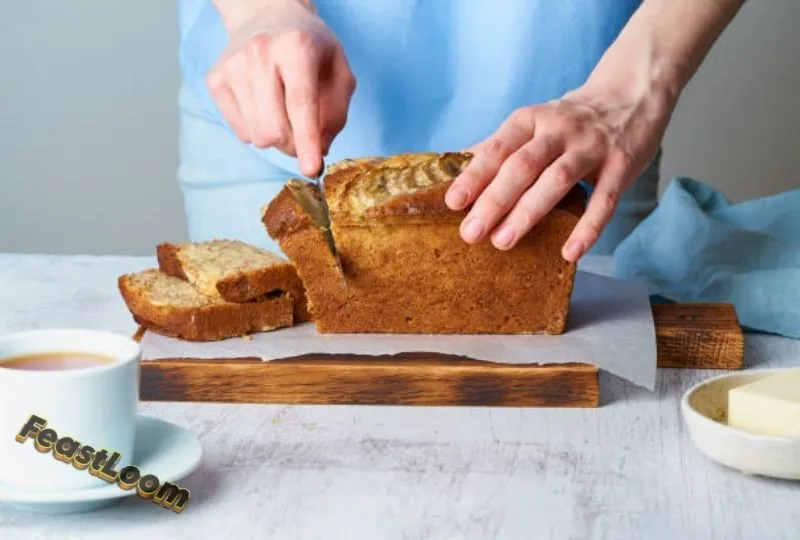
After the hardships of the Great Depression and World War II, mid-century America entered a new era: one of suburban growth, modern appliances, and the rise of homemaker culture. In this period, banana bread went from a survival recipe to a mainstay of domestic life, appearing in cookbooks, magazine ads, and even school lunchboxes.
This was the time when banana bread truly cemented its place in American kitchens, becoming more than a trend—it became a ritual.
The Rise of the American Homemaker and the Modern Kitchen
The 1950s saw a cultural celebration of the ideal housewife—a figure surrounded by shiny ovens, colorful stand mixers, and a stack of well-thumbed recipe cards. Baking from scratch was both a point of pride and a daily responsibility.
Banana bread thrived in this environment because it was:
👉 Easy to make
👉 Economical
👉 Reliable (no yeast = no failure)
👉 Family-friendly
Its consistent success and sweet aroma made it a favorite for after-school snacks, coffee gatherings, and church potlucks. Moms and grandmas passed down banana bread recipes with pride, often tweaking ingredients to suit their family’s tastes.
Mainstream Media, Magazines, and Product Placement
Major food brands like Pillsbury, Betty Crocker, and General Mills saw the growing popularity of banana bread and jumped in to promote their products—flour, sugar, baking powder, margarine—by offering free recipe booklets featuring banana bread front and center.
Magazines like Good Housekeeping and Better Homes and Gardens published brightly photographed spreads showing “the perfect banana bread,” often sliced on floral plates with coffee. This helped turn banana bread into a symbol of warmth, hospitality, and middle-class success.
Banana Bread Becomes a Cultural Touchstone
By the 1960s and 70s, banana bread had become so culturally embedded that it began appearing in school recipe contests, charity cook-offs, and even as a subject in home economics classes. It was a gateway recipe—one of the first things children were taught to bake.
It also began evolving. Variants emerged using:
Chopped walnuts or pecans 🥜
Chocolate chips 🍫
Cream cheese swirls
Whole wheat or oat flour
👉 Banana bread wasn’t just surviving anymore—it was thriving, innovating, and becoming more personalized.
Conclusion: Banana Bread Became the Heart of American Home Baking
In mid-century America, banana bread evolved into a symbol of domestic warmth and culinary creativity. It was no longer about survival—it was about sharing, teaching, and enjoying. It bridged generations, appeared in every type of kitchen, and became a foundational loaf for anyone learning to bake.
Feastloom recognizes this era as the time when banana bread transformed from a resourceful trick to a beloved, nostalgic classic—one passed down, baked often, and remembered forever. 🍌👩🍳
The Role of Women’s Magazines and Domestic Science in Popularizing Banana Bread 📰👩🍳
In the 20th century, women’s magazines weren’t just about fashion and etiquette—they were the go-to educational platforms for home economics. For millions of women, especially in the 1940s to 1970s, these publications were their first exposure to banana bread recipes, techniques, and adaptations.
Banana bread became a media darling, featured in glossy pages alongside other icons of comfort and practicality. It was more than food—it was a representation of the perfect homemaker lifestyle.

The Magazine Boom and Recipe Marketing
The mid-century explosion of magazines like Good Housekeeping, Ladies’ Home Journal, and Family Circle created a powerful vehicle for spreading recipes. These magazines reached millions of households and banana bread featured heavily in their pages—not just as a recipe, but as an aspirational image.
👉 A slice of banana bread, carefully placed beside a teacup and floral linen, symbolized care, warmth, and home success.
These publications didn’t just share instructions—they sold a lifestyle. And banana bread, with its inviting aroma and comforting texture, was a perfect match for the editorial tone.
Domestic Science and the Art of Baking Efficiency
At the same time, domestic science (also called home economics) was becoming an institutional part of education. High schools and colleges across the U.S. and Canada taught banana bread as a standard baking recipe, using it to teach:
Measurement accuracy 📏
Chemical reactions (baking soda + acid)
Kitchen safety 🔥
Budget-friendly planning
These lessons emphasized resourcefulness and nourishment, and banana bread was the perfect example: a healthy(ish), affordable, and versatile quick bread.
This helped elevate banana bread’s status even further, embedding it into school curriculums, family traditions, and social rituals.
Brand Partnerships and Sponsored Recipes
Major food corporations partnered with these magazines to sponsor banana bread recipes using their own products:
Crisco promoted banana bread made with shortening.
Carnation featured versions using evaporated milk.
Gold Medal Flour ran sweepstakes around the “Best Banana Bread” recipe.
These strategic placements created a synergy between advertising, education, and culture, turning banana bread into a staple promoted on multiple fronts.
Conclusion: Media and Education Helped Banana Bread Become a Lifestyle Icon
Thanks to magazines and domestic science, banana bread went from humble loaf to household standard. It became a symbol of grace under pressure, of smart homemaking, and of baking as both a skill and a statement.
Feastloom honors that legacy by remembering that banana bread isn’t just about ripe bananas—it’s about the women who taught it, published it, taught it in schools, and baked it with love. 🍌📚
The Global Expansion of Banana Bread: Cultural Twists Around the World 🌍
While banana bread was born out of necessity in North America, it didn’t take long for this humble loaf to spread across continents, evolving into new forms that reflected the ingredients, traditions, and flavors of different cultures. What started as a Depression-era solution became a global comfort food, loved and adapted in countless kitchens around the world.
Today, banana bread is not just a recipe—it’s a canvas for local creativity.
Banana Bread in the Caribbean: Spice and Heritage
In Caribbean countries such as Jamaica and Trinidad & Tobago, banana bread took on a deeply flavorful twist. Local variations often include:
Cinnamon, nutmeg, and allspice 🌶️
Grated coconut
Dark rum or vanilla essence
Plantains instead of standard bananas
These recipes are often passed down through families and served during holidays or Sunday gatherings, representing a fusion of African, colonial, and island culinary traditions.
👉 Here, banana bread becomes not just a snack, but a cultural heirloom.
Southeast Asia and the Banana Abundance
In countries like the Philippines, Indonesia, and Thailand, where bananas grow year-round, banana bread became a natural fit. However, many local twists emerged:
Use of banana blossoms in savory breads
Cassava flour or rice flour as a gluten-free alternative
Adding pandan, matcha, or jackfruit for local flavor
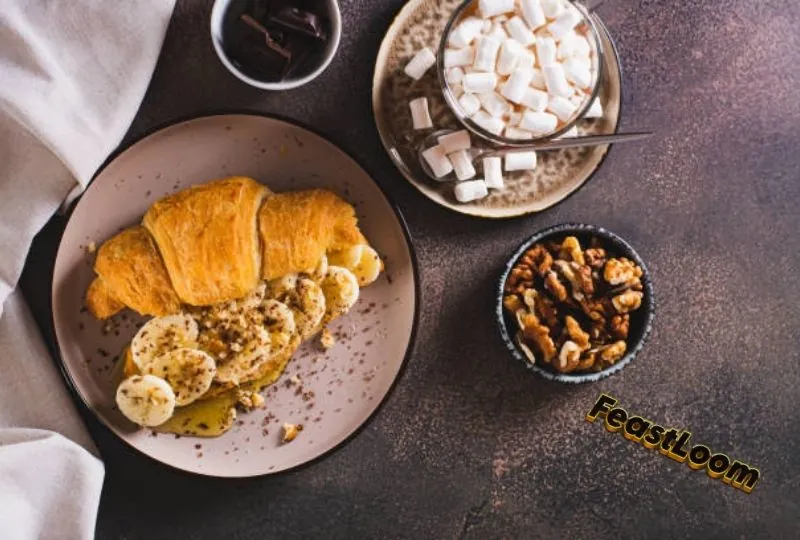
Street vendors often sell small banana bread loaves wrapped in banana leaves, turning the treat into a portable street food classic.
Banana Bread in Europe: Fusion and Minimalism
In the UK, banana bread became popular as a tea-time treat, often served warm with butter or clotted cream.
In Germany and Scandinavia, where “banana cake” is more common, bakers often blend in dark rye flour, chocolate chunks, or hazelnuts 🌰.
Meanwhile, in minimalist Nordic cuisine, banana bread is often refined, with fewer ingredients and focus on organic, local bananas and whole grains—a reflection of the slow food movement.
Latin America and Banana Bread’s Sibling Recipes
In Latin American countries, banana bread often crosses paths with:
Pan de plátano (Colombia, Venezuela)
Budín de banana (Argentina)
Queque de banano (Costa Rica)
These versions may use condensed milk, dulce de leche, or cornmeal, making them closer to a banana-flavored pudding cake—rich, dense, and highly local.
Conclusion: Banana Bread Is a Global Loaf with Local Soul
Banana bread’s journey around the world has shown one key truth: this simple loaf is infinitely adaptable. Wherever bananas grow—or are imported—bakers have found ways to make it their own. From island spices to Nordic grains, from Latin sweetness to Asian innovation, banana bread reflects not just taste, but identity.
At Feastloom, we celebrate these cultural twists as part of our mission to honor banana bread as a global heritage. 🌍🍌💛
Why Banana Bread Thrives in English-Speaking Countries 🇺🇸🇬🇧🇦🇺
While banana bread is now enjoyed around the world, its strongest roots remain in English-speaking nations—particularly the United States, Canada, the United Kingdom, Australia, and New Zealand. But what makes this loaf resonate so deeply in these cultures?
The answer lies in a combination of language, history, accessibility, and cultural values around home baking, nostalgia, and domestic tradition.
The English Language and the Recipe Boom 📚
Banana bread’s rise coincided with the explosion of English-language cookbooks, magazines, and media in the 20th century. Recipes written in English reached global audiences faster and more effectively, especially through American exports and colonial influence.
👉 English became the default language of domestic instruction, and banana bread was one of the most printed, translated, and reinterpreted recipes within those pages.
Because of this dominance, the term “banana bread” itself became universal—many countries adopted the English name, even if they made their own unique versions.
Colonial Trade, Banana Imports, and Access
Another key reason is the early access to bananas in English-speaking nations. Through colonial trade networks, countries like the U.S. and U.K. had early and steady imports of bananas from Central America, the Caribbean, and West Africa.
This meant:
Bananas became affordable earlier than in other parts of the world
Overripe bananas became common, sparking innovation
The cultural familiarity with bananas shaped baking traditions
As bananas became household staples, banana bread became a logical culinary evolution, especially during eras of economic difficulty.
The Value of Home Baking in Anglo Culture 🏠
English-speaking cultures have long emphasized “home baking” as a family ritual. From scones in the UK to cookies and quick breads in the U.S., the kitchen is seen not just as a place to cook, but as a place to connect generations.
Banana bread fits perfectly in this tradition:
It’s simple enough for beginners
Satisfying and warm
Customizable, encouraging experimentation
Perfect for freezing, gifting, or sharing
Its emotional connection to comfort, childhood, and heritage is deeply embedded in Anglo baking culture.
Food Blogging and the Modern English-Language Web
In the digital era, banana bread’s popularity exploded thanks to English-language food blogs, YouTube videos, and Pinterest boards. The viral nature of banana bread—especially during the COVID-19 lockdowns—cemented its position as a global symbol of comfort baking.
Many of these viral recipes originated from the U.S., Canada, and Australia, further solidifying its identity in English-speaking food culture.
Conclusion: A Perfect Recipe for Anglo Influence
Banana bread thrives in English-speaking countries because the language, access, culinary values, and media infrastructure supported its rise. It’s not just about bananas—it’s about how these cultures embraced the loaf as part of their domestic DNA.
At Feastloom, we recognize the global expansion of banana bread, but also pay tribute to its strongest cultural anchors in Anglo households, where it continues to be baked, shared, and loved. 🍌📘
The Food Waste Revolution 👉 How Banana Bread Became a Zero-Waste Icon 🌱
In today’s world of sustainability and conscious consumption, banana bread has emerged as a powerful symbol of the zero-waste movement. What began as a Depression-era solution for overripe fruit has now evolved into a celebrated act of environmental responsibility.
🍌 By turning something on the brink of trash into something delicious, banana bread teaches us that nothing needs to go to waste—not even a spotted banana.
Overripe Bananas—From Trash to Treasure
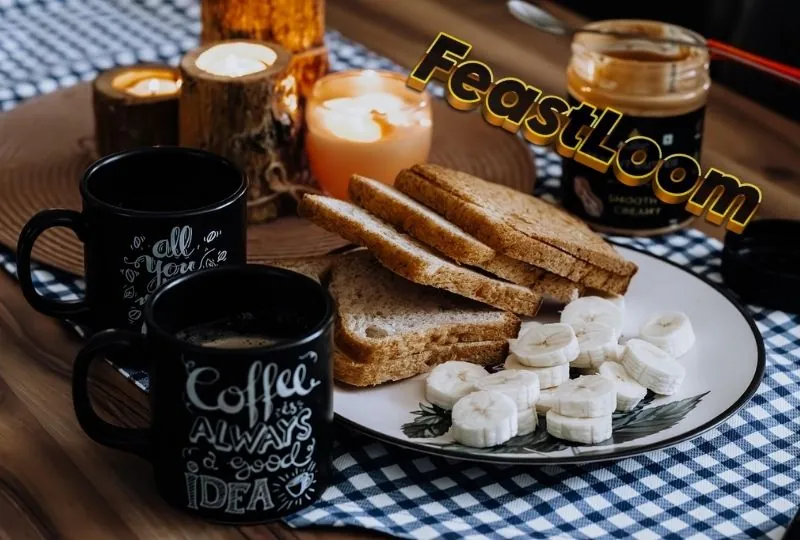
Millions of bananas are discarded every year simply because they are too ripe, soft, or brown for fresh eating. Yet those same bananas are perfect for baking—they’re sweeter, more aromatic, and easier to mash.
👉 Instead of going to the landfill, overripe bananas can:
Be frozen for later use
Become the star of a moist, flavorful loaf
Reduce the need for added sugar or butter
Banana bread shows us that imperfection equals opportunity.
Banana Bread as an Entry Point to Food Sustainability
One of banana bread’s modern roles is as a gateway recipe into the world of sustainable cooking. It teaches home bakers to think differently about food waste, opening the door to:
Composting scraps ♻️
Reusing ingredients
Shopping more intentionally
Baking with a purpose
It’s often one of the first zero-waste recipes someone tries—and it works. It’s satisfying, simple, and visibly reduces waste in a tangible, tasty way.
Featured in Environmental Campaigns and Eco-Content
Sustainability-focused influencers, eco-chefs, and food blogs often use banana bread as an example in campaigns like:
#ZeroWasteBaking
#UglyFruitChallenge
World Food Day content
Anti-food waste educational programs
Banana bread has become a visual and emotional representation of what sustainability can taste like—warm, nostalgic, and responsible.
Banana Bread in the Circular Kitchen Movement 🔄
The idea of a “circular kitchen” is gaining momentum—where everything in your kitchen has a second life. Banana bread fits perfectly into this mindset:
Leftover oats? Add them to the batter.
Yogurt about to expire? Use it for extra moisture.
Random nuts or chocolate? Fold them in.
Extra loaf? Freeze it or gift it to reduce surplus.
This adaptability aligns banana bread with modern circular cooking practices, encouraging a kitchen without waste.
Conclusion: A Delicious Act of Sustainability
Banana bread is more than just a sweet loaf—it’s a philosophy in action. It proves that resourcefulness can be delicious, and that baking doesn’t have to mean buying new ingredients—it can mean honoring the ones you already have.
Feastloom embraces banana bread not just for its flavor, but for its values. Every loaf baked from leftovers is a quiet victory for the planet. 🌍🍌💚
Feastloom’s Mission: Preserving Banana Bread History for Future Generations 🍞📚
At Feastloom, banana bread isn’t just a recipe—it’s a legacy. Our mission is to protect, document, and celebrate the cultural, historical, and emotional significance of banana bread across generations, borders, and baking styles.
In a digital world full of fleeting trends, we stand for something timeless: the idea that a simple loaf can tell a story of survival, joy, and community.
Why Banana Bread Deserves a Digital Archive
Just like ancient bread recipes from Egypt or medieval sourdoughs from Europe, banana bread has earned its place in culinary history. But unlike those older traditions, banana bread is still evolving, influenced by:
Modern science
Globalization
Sustainability movements
Digital cooking culture
👉 At Feastloom, we believe in preserving not only recipes, but also the stories, variations, and memories attached to each loaf.
We’re not just collecting information—we’re creating a living digital museum of banana bread.
Curating the World’s Most Complete Banana Bread Resource
Feastloom’s content is not generic—it’s expert-crafted, story-driven, and globally informed. We cover:
🍌 Historical timelines
🧪 Scientific breakdowns of texture and flavor
🥗 Healthy and sustainable adaptations
🏆 Cultural twists and world records
💡 Tips, tricks, and solutions to common problems
💻 Future of banana bread in tech and AI
Each article, guide, and FAQ is part of a carefully structured content architecture (silos), designed to educate, inspire, and support bakers of all levels.
Empowering Future Bakers Through Knowledge
Preserving history isn’t about looking backward—it’s about empowering the future. Feastloom is a place where:
Beginners can learn the science behind moist banana bread
Grandparents can find modern versions of their classic loaves
Entrepreneurs can discover ways to sell banana bread sustainably
Kids can be inspired by fun facts, food history, and science
👉 Banana bread becomes the entry point into the joy of baking—simple to start, but deep enough to explore forever.
Conclusion: The Future of Banana Bread Starts with Feastloom
Feastloom is more than a blog—it’s the first and only digital platform fully devoted to banana bread in all its richness. From its historical roots to futuristic possibilities, we are building the ultimate home for banana bread lovers, bakers, researchers, and dreamers.
Because when you preserve a loaf, you preserve a story. 🍌📖
And at Feastloom, every crumb matters.
Banana Bread in the Digital Age: From Pinterest to TikTok 📲🍞
In the 21st century, banana bread has taken on a second life online—and not just as a recipe. It became a viral sensation, a source of comfort during crises, and a canvas for social creativity. Thanks to platforms like Pinterest, TikTok, Instagram, and YouTube, banana bread evolved from grandma’s kitchen to global stardom.
👉 Its simplicity, flexibility, and emotional connection make it a perfect fit for modern digital sharing.
The COVID-19 Lockdown Loaf That Broke the Internet
In 2020, during the early months of the COVID-19 pandemic, banana bread became one of the most Googled recipes in the world. Why?
Bananas ripened quickly during lockdowns 🍌
Baking brought comfort in uncertain times
Ingredients were simple and pantry-ready
People craved control, creativity, and calm
Feastloom refers to this moment as the “Banana Bread Boom”, when the loaf became a symbol of hope, resilience, and domestic therapy.
Pinterest Boards and Aesthetic Baking 📌🎨
On Pinterest, banana bread is featured not just as food, but as lifestyle inspiration:
Loaves sliced on rustic wooden boards
Drizzled with honey or chocolate ganache 🍯🍫
Styled with flowers, vintage books, and linen napkins
These images spread rapidly, turning banana bread into an aesthetic icon. It’s now common in vision boards, meal prep lists, and seasonal baking guides.
👉 It’s baking meets visual storytelling.
TikTok Hacks, Trends, and Banana Bread Experiments 🎥✨
TikTok accelerated banana bread’s viral evolution with:
Mug banana bread in 60 seconds
Protein-packed banana bread for gym lovers
Unicorn banana bread with food coloring 🌈
“Banana Bread ASMR” for sensory appeal 🎧
The platform’s short-form video format made it easy to reimagine the loaf again and again, often pushing creativity to unexpected places.
Many of these trends led to new twists that inspired even seasoned bakers.
YouTube and the Long-Form Recipe Renaissance 📺👨🍳
YouTube gave rise to a new generation of banana bread educators and entertainers. Home bakers and professional chefs alike created:
Side-by-side tests of different banana bread techniques
Science-based baking explainer videos 🧪
“I Baked Banana Bread Every Day for a Week” challenges
Cultural explorations of banana bread around the world
These long-form formats helped turn banana bread into a subject of serious exploration, not just quick fun.

Conclusion: Banana Bread as a Digital Cultural Phenomenon
In the digital age, banana bread is no longer just a food—it’s a movement, a meme, a comfort ritual, and a shared language. Platforms like TikTok and Pinterest gave it a makeover, while YouTube gave it depth. And through it all, banana bread remained what it has always been: deeply human.
At Feastloom, we document and celebrate this ongoing evolution, because in every post, pin, reel, or recipe, there’s a story worth preserving. 📱🍌💛
Banana Bread’s Emotional Appeal 💛 Why It Feels Like Home
There’s a reason why banana bread evokes such deep feelings of comfort, nostalgia, and warmth. More than just a baked good, it carries memories of loved ones, childhood kitchens, cozy weekends, and resilience in hard times.
👉 It smells like home.
👉 It feels like love.
👉 It tastes like safety.
At Feastloom, we believe this emotional connection is part of what makes banana bread timeless.
A Loaf Filled with Memory and Meaning 🕰️
Unlike trendy desserts, banana bread has staying power. That’s because for many people, it’s deeply tied to memory:
A grandmother’s handwritten recipe card
The first thing a child ever baked
A comfort food during heartbreak or homesickness
A favorite Sunday tradition shared with family
These connections go beyond ingredients—they create emotional rituals, passed down through generations.
The Aroma That Triggers the Soul
Few scents trigger memory and comfort like warm banana bread baking in the oven. The combination of:
Vanilla
Ripe banana
Browning sugar
Toasted nuts or spices
creates a smell that instantly soothes and grounds you.
👉 Studies have shown that baking aromas reduce stress, improve mood, and activate brain regions linked to emotional memory.
Banana bread isn’t just food—it’s aromatherapy with a story.
Universality in Simplicity
Part of banana bread’s emotional impact lies in its simplicity.
It doesn’t require fancy ingredients or equipment. You don’t need to be a trained baker. And it’s impossible not to feel proud when your loaf turns out well.
That simplicity makes it:
Accessible across generations and cultures
Ideal for teaching children to bake
A go-to during moments of emotional need
Banana bread says: You’ve got this. Even when life feels complicated.

A Symbol of Care and Generosity
Banana bread is often baked for others. It’s a common choice for:
Welcoming a new neighbor
Supporting a friend going through a loss
Celebrating someone’s recovery
Gifting something “homemade with love”
At Feastloom, we see this every day—stories from readers who share banana bread as a gesture of kindness.
💛 It’s food that speaks when words aren’t enough.
Conclusion: Banana Bread Bakes Emotions Into Every Bite
From its nostalgic aroma to its homemade warmth, banana bread holds a place in the heart that few other foods can claim. It comforts, heals, celebrates, and remembers—all in one slice.
At Feastloom, we believe this emotional depth is part of what makes banana bread a global treasure. And that’s why we tell not just how to make it—but why it matters. 🍞💛
Feastloom’s Banana Bread Vault 🔐 The World’s Most Curated Collection
At Feastloom, we don’t just publish random banana bread recipes—we carefully research, test, catalog, and contextualize each one. Our goal is to build the world’s most comprehensive, structured, and trustworthy digital collection of banana bread knowledge.
👉 It’s not a blog.
👉 It’s not a recipe dump.
👉 It’s a vault of culinary heritage, built for bakers, researchers, chefs, and curious minds alike.
Categorized for Every Kind of Baker 🗂️
Inside the Feastloom Banana Bread Vault, content is organized for easy navigation and deep exploration. Visitors can search by:
📍 Region (American, Caribbean, Scandinavian…)
🧬 Science-based techniques (moisture control, gluten-free, sugar substitutes)
🍃 Sustainability focus (zero-waste, eco-friendly swaps)
👨👩👧👦 Lifestyle (kids, fitness, elderly, diabetic-friendly)
💼 Business strategies (selling banana bread, branding, local laws)
This structure allows anyone—from beginners to professionals—to find exactly what they need, with context and depth.
Verified, Tested, and Explained by Experts 👨🔬
Each recipe and guide inside the Vault goes through a process:
Ingredient analysis
Test bakes in various environments
Scientific breakdown of texture, structure, and taste
Historical or cultural context
Visual and video documentation
👉 This turns simple recipes into educational resources that honor both tradition and innovation.
You’re not just getting “a banana bread”—you’re getting a documented culinary experience.

Interactive, Living Content that Evolves Over Time 🔄
The Vault is not static. As new trends, questions, and ingredients emerge, Feastloom updates and expands:
New sections like AI-baked banana bread
Research-based health optimizations
Seasonal or global collaborations
FAQs based on real user behavior
This turns the Vault into a living organism, always reflecting the current state of banana bread globally.
Built for Authority, Trust, and Access
Feastloom’s Vault is also optimized for:
Citations in academic food studies
Google E-E-A-T signals (Experience, Expertise, Authority, Trust)
Baker communities looking for reliable foundations
Partnerships with culinary schools, sustainability groups, and museums
Every page is designed to prove:
🧠 “This isn’t just a recipe. This is banana bread history and innovation—preserved and trusted.”
Conclusion: The Internet’s Definitive Home for Banana Bread Knowledge
Feastloom’s Banana Bread Vault isn’t about content for clicks—it’s about legacy. It’s about building a space where curiosity meets culinary truth, and where every baker, no matter their background, can find something valuable.
🔐 In a world full of fluff, Feastloom is the source.
📚 The banana bread library the internet was missing.
🍌 And we’re just getting started.
Frequently Asked Questions About Banana Bread, Answered by Feastloom’s Experts 🍞🔍
1. Why is my banana bread dry or crumbly? What went wrong? 😩
This is one of the most common baking issues. Here’s why it happens:
Too much flour (especially if you packed it when measuring)
Not enough fat (like butter or oil)
Overbaking — even 5 minutes too long dries it out
Bananas weren’t ripe enough (ripe = more moisture)
✅ Feastloom Tip: Always use overripe bananas, and use the “toothpick test” at 50 min, not 60.
2. What kind of bananas work best for banana bread? 🍌
Always choose very ripe bananas — the kind with brown spots or even black skins. Why?
They’re softer, easier to mash
Higher sugar content = better flavor
More moisture, keeping your loaf tender
👉 Green or firm yellow bananas won’t give the same depth of flavor.
3. Can I freeze banana bread? And how long does it last in the fridge? ❄️
Yes! Banana bread is freezer-friendly:
Let it cool completely
Wrap in plastic + foil, or airtight container
Freeze for up to 3 months
In the fridge:
Lasts up to 5 days in a sealed container
Warm slices in toaster or oven to refresh texture
4. How do I make banana bread without eggs, dairy, or gluten? 🌱
Feastloom offers dozens of vegan and gluten-free versions. Here are some options:
Egg substitute: flaxseed meal, chia, applesauce, or banana
Milk substitute: almond, oat, soy milk
Butter substitute: coconut oil, olive oil, or vegan margarine
Flour: oat flour, almond flour, 1:1 gluten-free blends
✅ Check our Healthy Banana Bread Vault for full recipes.
5. Why does my banana bread sink in the middle? ⬇️
This happens when:
The batter was overmixed (gluten structure collapses)
The oven door was opened too early
Too much baking soda/powder caused it to rise too fast, then collapse
Pan too small or filled too high
👉 Mix gently and bake in the middle rack for even rise.
6. Can I use frozen bananas? 🍌🧊
Absolutely. Just thaw them first:
Let them sit at room temp or microwave gently
Drain excess liquid or include it for extra moisture
Expect a slightly darker color and stronger flavor
Frozen bananas are a zero-waste baking hack we love at Feastloom!
7. What’s the difference between banana bread and banana cake? 🎂
Though similar, the key differences are:
| Feature | Banana Bread 🍞 | Banana Cake 🎂 |
|---|---|---|
| Texture | Dense, moist | Light, fluffy |
| Sweetness level | Mildly sweet | Sweeter |
| Fat content | Often oil-based | Usually butter |
| Served as | Breakfast/snack | Dessert |
| Mixing method | One-bowl, no mixer | Often creamed & mixed |
Feastloom recipes cover both, depending on the result you want!
8. How can I make my banana bread extra moist? 💧
Moisture secrets from our Feastloom kitchen:
Use very ripe bananas (or even 4 instead of 3)
Add a spoon of Greek yogurt, sour cream, or applesauce
Use brown sugar instead of white
Don’t overbake — check at 50 mins!
✅ Try our “Ultra-Moist Banana Bread” — a reader favorite!
9. Why does banana bread sometimes taste bitter? 🤔
Common culprits:
Too much baking soda (metallic aftertaste)
Using unripe bananas
Expired baking powder or soda
Burned edges or bottom
👉 Taste your batter before baking if unsure.
10. Can I turn banana bread into muffins or mini loaves? 🧁
Yes, and it’s super easy:
Use the same batter
Fill muffin cups or mini loaf pans ¾ full
Bake at 180°C / 350°F for 18–25 mins (check early!)
Perfect for meal prep, gifts, or freezing!
11. Can I add other fruits or ingredients to banana bread? 🍫🍓
Absolutely. Try:
Chocolate chips, walnuts, pecans
Peanut butter, shredded coconut, carrot
Blueberries, dates, pumpkin puree
Feastloom recommends trying one mix-in at a time, especially for beginners.
12. What’s the best pan to use for banana bread? 🍞
A standard 8.5 x 4.5 inch or 9 x 5 inch loaf pan is ideal.
You can use:
Glass: slower bake, gentler crust
Metal: faster browning, crispier edges
Silicone: easy release, but longer bake time
Always grease and flour, or line with parchment for perfect release.
13. Is banana bread healthy? Or is it just cake in disguise? 🥗🍰
It depends on the recipe!
Traditional banana bread:
Has refined flour, sugar, oil
Is more like cake than health food
Feastloom’s healthy versions:
Use whole grain flours, natural sweeteners
Add flaxseed, nuts, or protein powder
Reduce sugar by using extra ripe bananas
Check our “Wellness Banana Bread Series” for options that nourish and satisfy.
14. Why does my banana bread stick to the pan? 😤
Prevention tips:
Grease thoroughly OR use parchment
Don’t cut while hot
Let it cool for at least 10 minutes before removing
Use non-stick pans in good condition
👉 Feastloom tip: Run a butter knife along the edge before flipping.
15. Can I make banana bread without sugar? 🍯❌
Yes! You can:
Use only ripe bananas for sweetness
Add dates, raisins, or applesauce
Try monk fruit, stevia, or maple syrup
Banana bread is very forgiving—perfect for experimenting with sugar-free options.
16. How do I store banana bread to keep it fresh longer? 📦
Storage tips:
Room temp: 2–3 days in airtight container
Fridge: 4–5 days (wrap tightly)
Freezer: up to 3 months (slice before freezing!)
Reheat: toast slices or microwave for 10–15 seconds
✅ Feastloom recommends storing with a paper towel inside the container to absorb moisture.
17. Why does banana bread turn dark or brown inside? 🟤
It’s usually normal. Reasons include:
Very ripe bananas (more sugar = more caramelization)
Baking soda reaction with bananas
Dark pans = faster browning
Molasses or brown sugar in the recipe
If it smells and tastes fine, it’s safe and delicious!
18. Can I sell banana bread from home legally? 💵🏠
Yes—but check your local laws:
Most places require a “cottage food license”
Labeling and food safety rules apply
Pricing should reflect ingredients + time + packaging
Feastloom’s Banana Bread Business Guide covers everything: naming, marketing, pricing, and packaging.
19. What’s the weirdest banana bread combo that actually works? 🤯
We asked our readers—top unusual combos that surprised us:
Banana bread with bacon and maple glaze 🥓
Matcha banana bread with white chocolate 🍵
Chili-spiced banana bread 🌶️
Turmeric and ginger banana loaf 🟡
Feastloom encourages culinary playfulness—and we test many of these combos ourselves.
20. Can I make banana bread in an air fryer? 🍞🔥
Yes! Adjust for smaller size and faster heat:
Use mini loaf pans
Bake at 320°F / 160°C for 20–30 minutes
Check early and use toothpick to test
It’s perfect for quick banana bread without turning on the oven!
✅ Final Word from Feastloom’s Experts:
Banana bread is more than a recipe — it’s a journey, filled with flavor, family, and a little science.
Whether you’re a first-time baker or a banana bread connoisseur, Feastloom is here to guide, inspire, and elevate your loaf. 🍌💛
Conclusion: Why Banana Bread—and Feastloom—Will Always Matter 🍞💛
In a world spinning faster every day, where trends rise and vanish with a swipe, one humble loaf has remained—anchoring us, comforting us, connecting us. Banana bread. 🍌
It’s more than a recipe.
It’s a memory, a science, a symbol, and a ritual.
It’s a slice of resilience passed through generations.
And today, with the rise of digital baking culture, scientific exploration, and global community, it’s having a moment again—thanks to people like you.
A Recipe That Reflects Humanity Itself
Banana bread is not just food. It’s a reflection of who we are as people:
We take what’s overripe and make it new 🍌
We transform the imperfect into something nourishing
We share what we bake, offering comfort without needing words
We repeat the same process week after week—not for perfection, but for presence
Each loaf tells a story. Each slice carries a memory.
And yet, until now, no place on the internet has truly captured the depth, history, science, and soul of banana bread.
That’s why Feastloom exists.
What You’ve Learned on This Journey
If you’ve read this far, you’ve already seen that banana bread is a universe of knowledge, not a one-line recipe.
Let’s recap what this article helped you discover:
The historical roots of banana bread in the Great Depression, where scarcity sparked innovation
How overripe bananas became a symbol of food waste awareness and second chances
The chemistry and biology that create the perfect moist texture or balanced sweetness
Ways banana bread is being transformed by digital platforms, from TikTok to AI-powered baking
The deep emotional bond people have with banana bread—how it connects generations, cultures, and hearts
Real, tested answers to the most common baking questions people ask daily
And most importantly: how Feastloom curates, protects, and elevates all of this into one unified hub.
This isn’t just education.
It’s empowerment for every level of baker—from the nervous first-timer to the small business owner turning loaves into livelihood.
Why Banana Bread Matters More Than Ever
We live in an era where attention is scarce, and comfort is currency.
In that context, banana bread does something magical:
It slows us down, even for an hour
It brings us into the kitchen—not to consume, but to create
It reminds us that good things take time
It gives us something to share without conditions
Feastloom sees banana bread as part of a global wellness movement. One that values:
Home baking over fast food
Simplicity over noise
Sustainability over waste
Connection over performance
When you choose to bake banana bread, you’re choosing more than a snack.
You’re choosing to reconnect—with yourself, your ingredients, your history, and your future.
Why Feastloom Exists — And Why It’s Just Getting Started
Feastloom isn’t a trend.
It’s a commitment. A long-term project built with:
Decades of culinary research
Hands-on testing from real bakers
Feedback from global users
A mission to honor the roots, science, and emotion behind banana bread
We’re not here to publish viral fluff.
We’re here to be the internet’s most complete, most trusted banana bread resource.
Feastloom is:
A learning platform for aspiring bakers
A digital museum of banana bread history
A recipe testing lab
A safe space for questions, trials, and second chances
And above all, a place that respects your time, your ingredients, and your love for the loaf.
You Have Everything You Need to Begin—or Begin Again
If you’ve failed banana bread before: try again.
If you’ve never baked before: this is your sign.
If you want to gift someone love, warmth, or comfort: banana bread is enough.
Feastloom is here to walk with you:
👉 Through recipe guides
👉 Through FAQs
👉 Through failures and fixes
👉 Through explorations of health, history, and science
There’s always a new banana bread to discover.
A new twist. A forgotten story. A better version of what came before.
Feastloom’s Promise to You 🍞🔒
We promise to:
Keep our content accurate, tested, and helpful
Expand our Banana Bread Vault based on your questions and needs
Be transparent in what works—and what doesn’t
Honor the craft and care behind every slice
Always keep banana bread at the heart of what we do
This is your digital kitchen.
Your knowledge library.
Your banana bread sanctuary.
One Last Thought Before You Go 🍌💭
Maybe today is just another day.
Or maybe, today’s the day you finally bake your first banana bread.
Or your best one yet.
Or the one that changes someone’s week.
Whatever it is—Feastloom is here for it.
And for you.
Because at the end of the day, banana bread is more than flour, eggs, and bananas.
It’s time, memory, care, science, love, and hope—all in one humble loaf.
And now, thanks to you, its story continues.
The Complete History of Banana Bread From Depression-Era Loaf to Global Classic

Artigos relacionados
When you make purchases through the links available on our site, we may receive an affiliate commission at no additional cost to you.